If you feel more tired than usual and rest is not helping, talk to your doctor. Cancers sometimes cause anemia or internal bleeding, which can make you feel exhausted.

If you or someone you love is facing breast cancer, you're not alone. Breast cancer is one of the most commonly diagnosed cancers in the United States, affecting more than 300,000 people each year.
At The Oncology Institute, we understand how a breast cancer diagnosis impacts every part of a person's well-being. We are committed to supporting every patient's overall health through comprehensive cancer care, which includes educating patients and their families about their diagnosis and treatment options. This post explores the basics of breast cancer to help you learn more about this common disease.
Request an Appointment Cancers We TreatWith any form of cancer, early detection is critical to improve outcomes. When breast cancer is localized, there’s more than a 99% five-year relative survival rate. This means that the sooner breast cancer is detected, the more likely patients are to live beyond five years.
Part of detecting breast cancer is understanding its symptoms and signs. Symptoms describe what you might feel. Since breast cancer doesn’t usually cause pain in its early stages, you may not experience any symptoms.
Therefore, it’s important to know what signs to look for. A sign is something that can be seen or measured. The most common breast cancer sign is a new lump or mass in or near the breast. Other signs include:
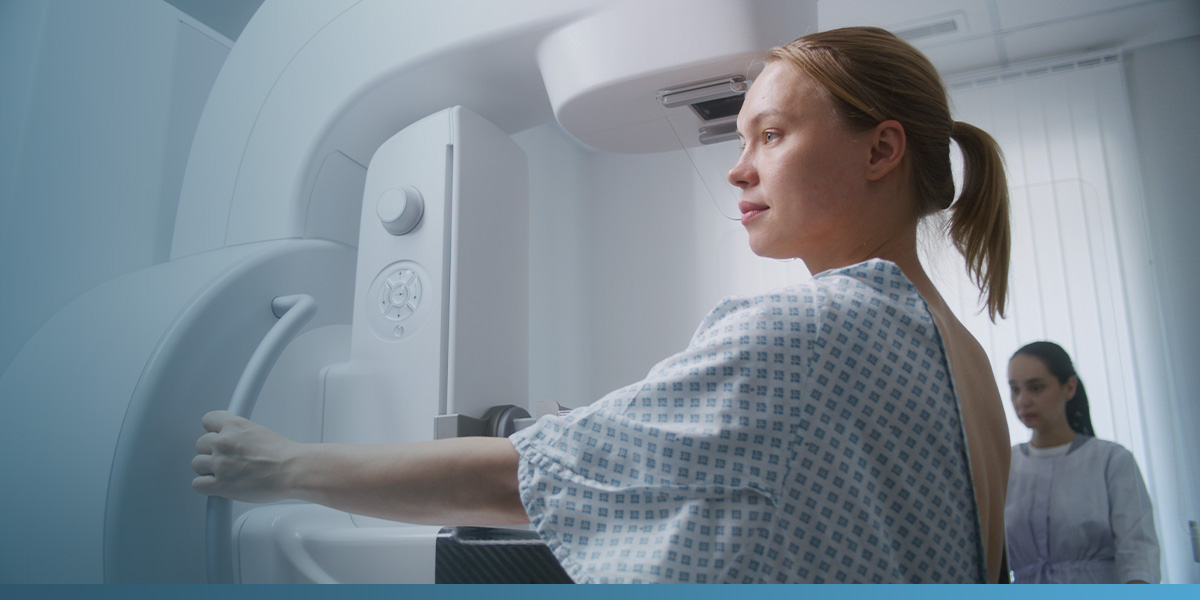
If you notice any signs of breast cancer, it’s important to contact a health care professional right away. It’s also essential to stay on top of breast cancer screenings to detect it as early as possible.
If you feel more tired than usual and rest is not helping, talk to your doctor. Cancers sometimes cause anemia or internal bleeding, which can make you feel exhausted.
This is often one of the first symptoms people notice. Cancers, including carcinomas, can alter your metabolism or cause inflammation that affects your appetite. If you have lost weight without explanation, or if you notice changes in your appetite, bowel movements, or responses to food, consult your doctor.
Pain can be a sign of a tumor pressing on nerve endings or tissue damage caused by cancer. If you have unexplained pain, especially if it is severe or keeps coming back, seek medical attention.
Some tumors release a substance that causes fever. Your body’s immune response can also trigger an inflammatory response that can cause fever. Always report any unexplained, persistent fever to your doctor.
Skin cancers can cause the appearance of new moles, marks, or bumps on your skin. Other cancers can also cause puckered skin (similar to an orange peel), yellowish or reddish discoloration, darkened skin, increased hair growth, sores that won’t heal, or rashes.
Tumors can protrude, leading to lumps you can see or feel when you press down on your skin.
Unusual bleeding in your stool or urine can be a sign of cancer. Unusual menstrual periods or bleeding after menopause must be reviewed with a doctor.
These symptoms can be early indications of lung, thyroid, or other cancers.
Many types of breast cancer exist, and most carcinomas start in the cells within the milk ducts or lobules — the glands that make milk. The most common types of breast cancer include:
Paget’s disease of the breast is considered a rare form of breast cancer that affects up to 4% of breast cancer cases and involves eczema or dermatitis conditions. Other types of breast cancer include lobular carcinoma in situ (LCIS), triple-negative breast cancer (TNBC), and inflammatory breast cancer (IBC).
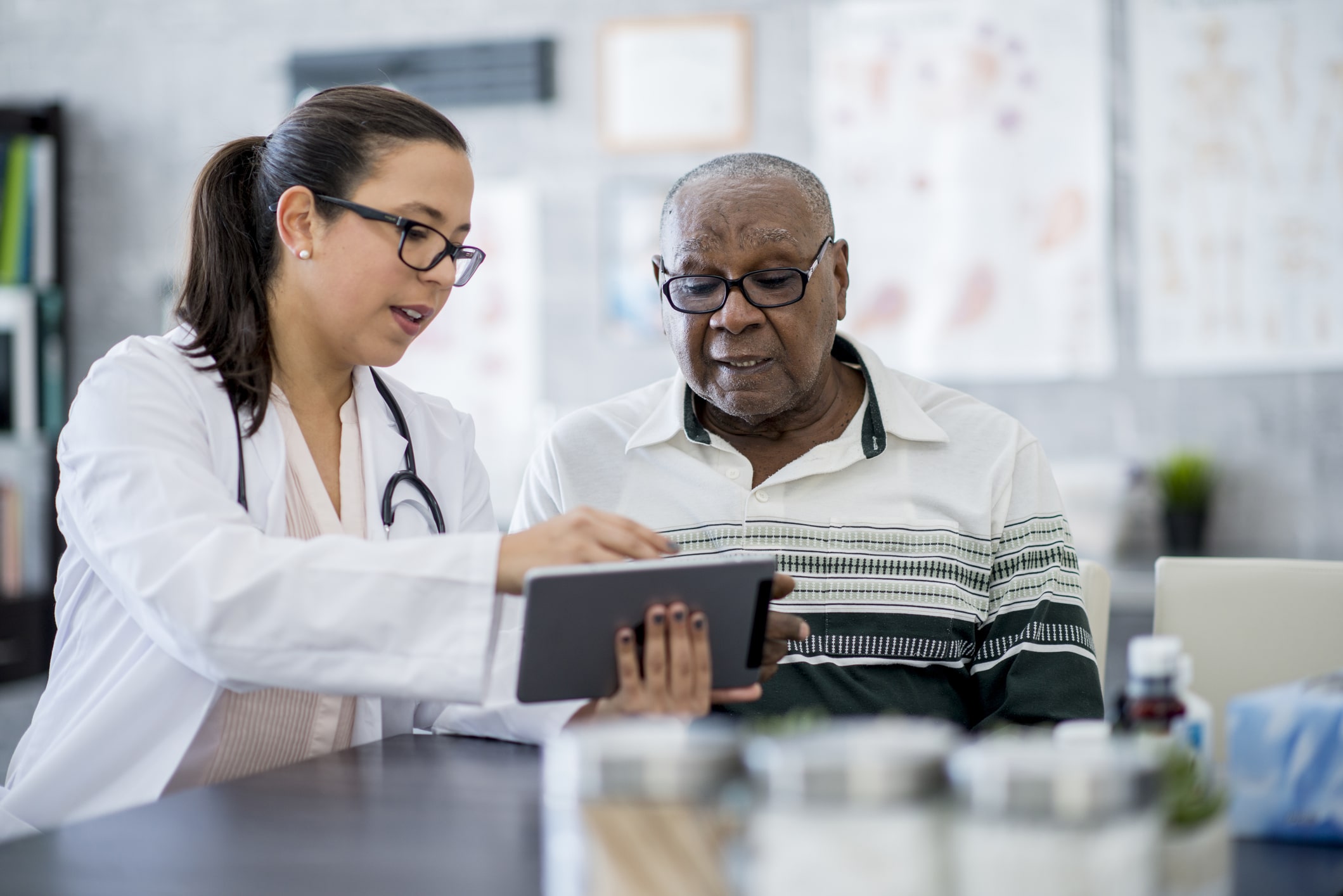
The stage of breast cancer is used to describe various details about the condition, such as whether it has spread and the size of the tumor. This information helps health care professionals determine and recommend a treatment plan for their patients. Here’s a general overview of each stage:
Our team explains what your stage means in clear, straightforward terms. We answer your questions and discuss which treatment options will work best for you.
Most women or men with stage I, II, or III breast cancer will have surgery to remove the cancer, followed by radiation therapy to decrease the chance of the cancer coming back in the area where it first formed. Patients will also commonly undergo systemic drug therapy, like chemotherapy and immunotherapy, to treat cancer cells that may have spread or could potentially spread throughout the body.
At The Oncology Institute, your breast cancer treatment plan is built around your specific diagnosis, health history, and goals. Our comprehensive treatment options include:
We also offer access to cutting-edge clinical trials that may provide treatment options not widely available elsewhere.

At The Oncology Institute, we combine advanced, evidence-backed treatments with personalized, compassionate care. We are committed to providing an experience that’s as seamless and supportive as possible. Our specialists walk you through every treatment option, helping you feel informed and empowered from the start.
Whether you’re exploring treatments or ready to begin care, we are here for you. Request an appointment today.