
This condition occurs when advanced cancer triggers systemic inflammation. With this condition, your body cannot produce adequate red blood cells, and you may need transfusions of red blood cells to make sure you have enough.

People undergoing cancer treatment often become candidates for blood transfusions. Depending on your situation, blood transfusions may become part of your ongoing treatment, or they may be a one-stop measure to address blood loss or other medical needs.
Watch the Video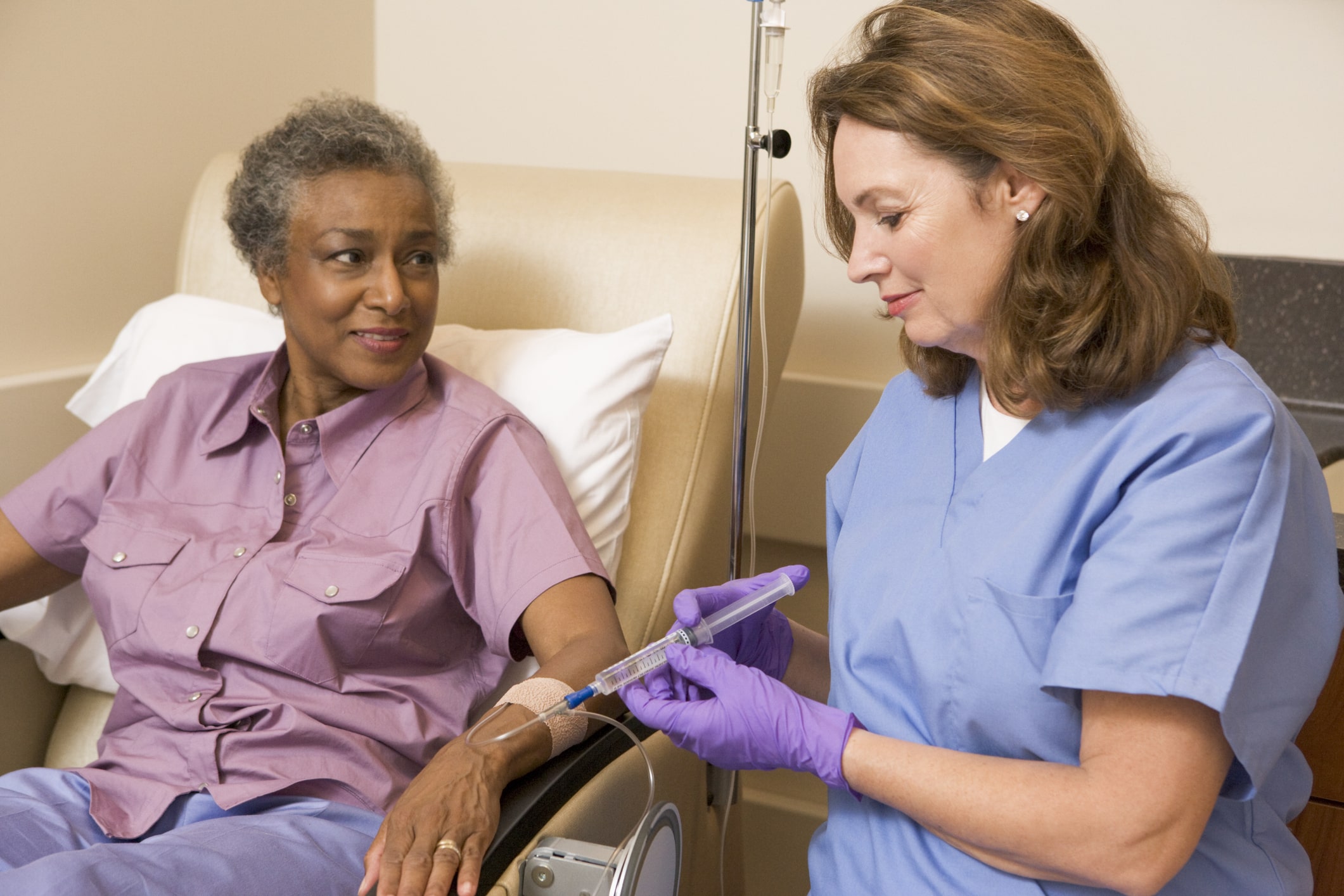
Red blood cells (erythrocytes) carry oxygen throughout the body.

Hemoglobin, which is a protein inside the red blood cells that binds oxygen so that it can be delivered.

Platelets, which are cell fragments that promote blood clotting.

Plasma, which is the liquid part of blood, contains all the other components of blood.
A blood transfusion is a supportive therapy in oncology, meaning it is not a treatment of the cancer itself. Instead, blood transfusions address the complications that can arise because of cancer treatment or the cancer itself, and they reduce or eliminate the symptoms that come with anemia and other complications. They ensure patients are healthy enough to continue with treatment and improve the quality of life for those living with cancer.
A blood transfusion for cancer patients may be necessary due to a few complications:
This condition occurs when advanced cancer triggers systemic inflammation. With this condition, your body cannot produce adequate red blood cells, and you may need transfusions of red blood cells to make sure you have enough.
Some cancers can cause internal bleeding, which can lead to blood loss and anemia. Additionally, bleeding can occur during surgery. Red blood cell transfusions can prevent anemia in these cases.
Some cancers, such as leukemia, affect the bone marrow and red blood cell production, making red blood cell transfusions crucial.
This condition is often caused by radiation therapy and chemotherapy, which can affect platelet production. A low platelet count increases your risk of bruising and bleeding, but it can be treated with platelet transfusions.
This condition is commonly associated with advanced cancers and occurs when the body’s platelets and clotting factors are depleted. Plasma transfusions are one therapy for this condition.
Before an outpatient blood transfusion, medical professionals run tests to make sure that donated blood matches the patient’s blood and is safe to use.
During a blood transfusion, a doctor or nurse inserts an intravenous line (IV) into a vein. The plasma or other blood component will flow from a bag and into the vein. Depending on the blood component, the whole process can take from 30 minutes to a few hours.
After the blood transfusion, patients remain in the clinic or hospital to monitor for any adverse reactions.

Getting Started
When considering cancer care, The Oncology Institute offers comprehensive cancer treatment and patient-centric supportive care utilizing state-of-the-art technology. If you are looking for blood transfusion near you and other care, please request an appointment today to discover how we’re transforming oncology for the better.