
Over the past few decades, cancer treatment has greatly evolved, and scientists and doctors are still continually making breakthroughs that revolutionize cancer treatment as we know it. As breast cancer is the most common type of cancer in the United States, ongoing breast cancer research is critical, and various developments are made every day to support diagnoses and treatments.
This article shares some of the latest trends in breast cancer treatment, as well as some other essential points and information you should know if you or someone you love is experiencing cancer.
Every person with breast cancer may undergo different types of treatment depending on their health, how advanced their cancer is, and their oncologist’s professional opinion. Here are some of the most common types of breast cancer treatments:
If you or someone you know is currently undergoing treatment for breast cancer, you may want to learn more about emerging trends that have changed how oncologists treat their patients. Below are a few examples of innovative breast cancer treatments and therapies being explored today.
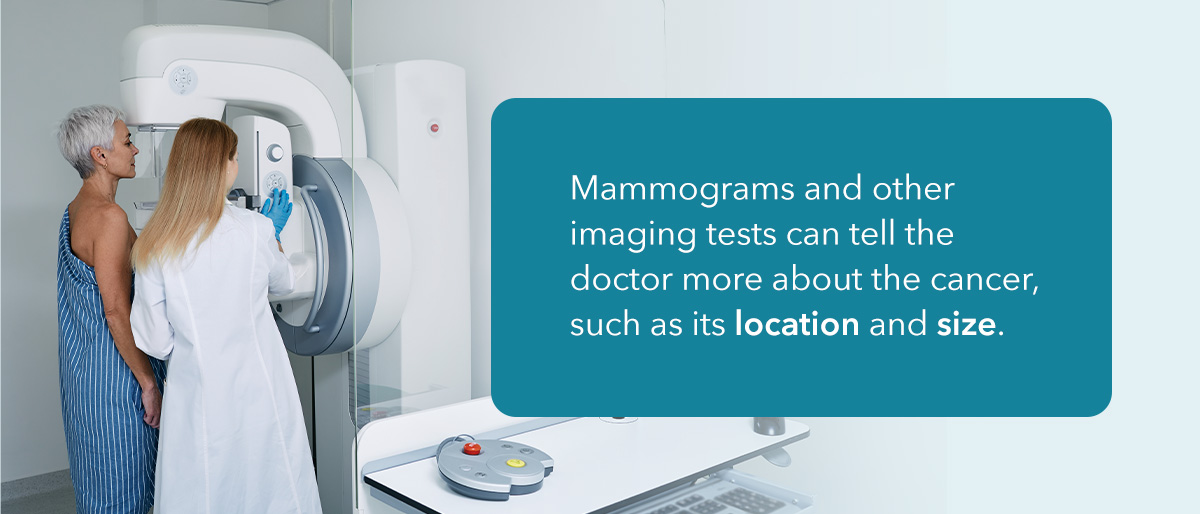
A mammogram requires taking an X-ray of the breast to screen for cancerous tissue. While mammograms are most commonly used to diagnose breast cancer, they are often used in the treatment process, as well.
Mammograms and other imaging tests can tell the doctor more about the cancer, such as its location and size. Doctors may also use mammograms after cancer treatment to track the progress of the cancer. Those who have had breast cancer previously may also require regular mammograms to screen for returning cancer.
While mammograms have been pivotal in breast cancer treatment, they have their limitations, with one of the most considerable being that they miss one in eight instances of cancer. As a result, many oncologists use different methods of imaging. For example, mammograms might not work for people with very dense breast tissue, so in these cases, an oncologist might suggest an ultrasound.
Some other recent trends in imaging tests include:
If you have tested positive for HER2 breast cancer, a standard treatment course is to use Herceptin and Perjeta during chemotherapy. These two drugs are effective during immune therapy treatment. However, they are given to the patient via an intravenous line (IV), and the entire process takes more than two hours. Cancer patients usually experience severe fatigue, and the last thing they want is to be hooked up to an IV for hours on end.
In comparison, Phesgo administers the same medication but via injection, which means the process takes around five minutes. Cancer patients with HER2-positive breast cancer can experience the benefits of their medications without the time commitment and discomfort that come with the traditional method of administration.
Biomarkers are substances measured in bodily fluids like blood and tissue. Oncologists often test breast cancer tissue for specific biomarkers to help them decide which treatment to perform. Some of the standard biomarkers they look for in breast cancer tissue include:
A newer biomarker testing method includes using circulating tumor DNA (ctDNA). This process involves releasing DNA into the bloodstream once cancer cells have died and then identifying and testing the ctDNA in the blood for biomarkers. Here’s how ctDNA helps:
Radiation and drug therapy have been two of the most common breast cancer treatment approaches for years. However, the way oncologists use these treatments has changed. Some ways drug and radiation therapies have improved include:
Breast cancer research and studies advance every day, offering promising insights for the future of breast cancer treatment. If you or a loved one has been diagnosed with breast cancer, choosing a cancer care provider that goes above and beyond to offer modern, state-of-the-art services may be important to you.
At The Oncology Institute, we implement cutting-edge cancer treatment backed by science. From clinical trials to transfusions to other treatment options, we pride ourselves on offering advanced options personalized to each patient. Our specialists can help you determine which treatment methods are best for your situation, depending on your health, cancer, and other specifics.
Request an appointment with us today to get started.