While going to the doctor isn’t something most people look forward to, and you might not see the importance of going to the doctor unless you feel sick, taking preventive care measures is crucial for your well-being. For many individuals, breast cancer screenings aren’t at the top of the preventive health list — but they should be.
Discover why breast cancer screenings are crucial for your health, how often you should get one, and where you can find a provider.
In 2022, 670,000 people died globally from breast cancer. Despite that sobering statistic, many people don’t know what a breast cancer screening is or how it works, and the fear of the unknown could cause them to avoid getting a screening.
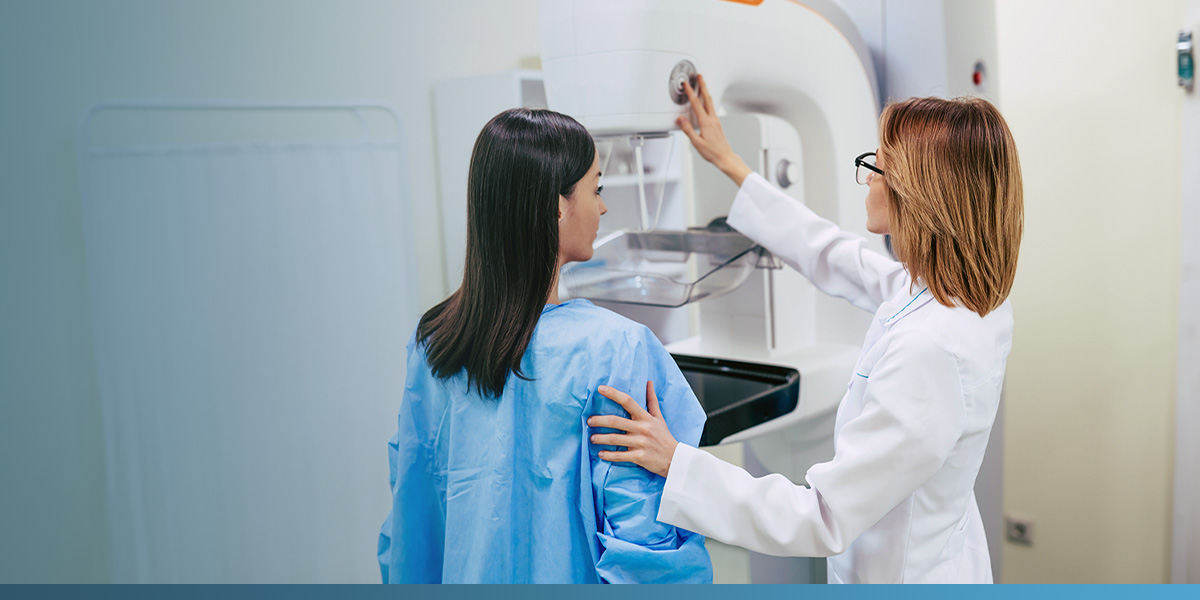
The most common type of breast cancer screening is a mammogram. This exam involves taking X-rays of the breast to screen for tumors or microcalcifications, which are small calcium deposits that may indicate cancer. In some cases, such as if the patient has dense breast tissue or is at a higher risk for breast cancer, doctors may also choose to use ultrasounds or magnetic resonance imaging.
Additionally, doctors might perform a breast exam during which they look for abnormalities on the breast, including:
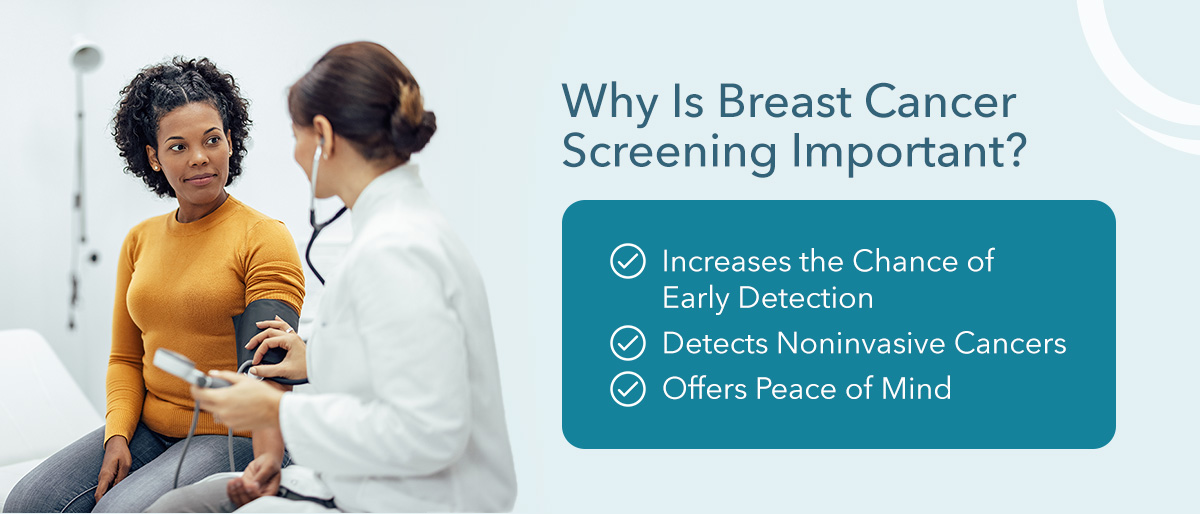
Regardless of your medical history, getting breast cancer screenings is an essential part of protecting your health. By keeping track of changes in the breast, you and your doctor can stay informed and on top of your well-being. Overall, breast cancer screenings are important for the following reasons.
While self-examinations are important, a medical breast cancer screening is more thorough and accurate, increasing your chances of catching potential health issues early. When a doctor is able to track potential changes in the breast, they can detect abnormalities much more quickly.
According to the American Cancer Society, people who discover their breast cancer before it has spread outside the breast have a 99% five-year relative survival rate, meaning patients are much likelier to live longer when the cancer is detected early. Once the cancer spreads, that number begins to decrease. By scheduling preventive breast cancer screenings, you and your doctor can pay close attention to your breast health and take early action if necessary.
All types of cancer can be invasive or noninvasive, based on whether it’s spread beyond the tissue where it originated. Specifically, breast cancer can be:
While noninvasive breast cancer is generally not life-threatening, it can become dangerous if it spreads. There are also different kinds of tumors — benign, precancerous, and malignant — which can be cancerous or noncancerous. With regular breast cancer screenings, your doctor can detect noninvasive cancer if it appears, test the kind of tumor you have if one is present, and create a treatment plan.
Beyond helping keep you physically healthy, breast cancer screenings — and other types of preventive health measures — can offer you peace of mind, reducing wellness-related stress and anxiety.
If you do a personal breast exam and see or feel something different, you may conclude or convince yourself that nothing is wrong, but then you become subconsciously stressed or anxious and find yourself constantly thinking, “What if?” That additional mental burden can make daily life more challenging than it needs to be.
By taking less than an hour every year to have a professional breast screening, you can stay informed about your health and save yourself the unnecessary worry.
Now that you know why you should get regular breast exams, it’s time to get into the practicalities. The medical field can be intimidating, but remember that doctors, nurses, and other health care professionals want to help you. If you have questions or concerns or need help figuring out where to start, don’t hesitate to ask for help! The information below is a great place to start if you want some basic recommendations.
If you’re unsure whether you should get a mammogram, begin by talking to your doctor about whether they agree it’s necessary. Since they’ll have an informed overview of your health, they’ll be able to offer advice about when you should start getting regular breast exams.
In general, here are some situations in which getting an examination is a good idea:
Although breast cancer may be more common in older women, especially those with a family history of breast cancer, it affects anyone. Young people can get breast cancer, and people with no family history of cancer can get cancer.
Men can also get breast cancer. While breast cancer in men is much less common than in women, men who have concerns about their breast health or exhibit risk factors for breast cancer should speak to their doctors about testing.
There’s also a common misconception that if you live a healthy lifestyle, you won’t get cancer. Unfortunately, while prioritizing wellness can reduce your risk of cancer and other health-related issues, it doesn’t guarantee that you’ll never get cancer. As a result, it’s important for all individuals to pay attention to their health and take preventive measures as needed.
For women who are at average risk for breast cancer, the American Cancer Society provides the following guidelines:
If your doctor has classified you as a higher risk for breast cancer, you may need to start screenings earlier and get them more frequently.
If you or a loved one have a breast cancer screening and find out that cancer is present in the breast or breasts, it can be hard to know what to do next. At The Oncology Institute, we’re here to support you through the next steps, providing leading, evidence-based cancer care across the United States.
We go above and beyond to deliver cutting-edge cancer treatments. Our experienced, professional, and compassionate cancer care team of oncologists and clinicians can help you understand your diagnosis and put together a comprehensive treatment plan customized to your needs.
Learn more about The Oncology Institute today, and request an appointment to start the process.